English
Looking for a reliable P2.976 indoor LED video wall from a China-based manufacturer? You're not alone — this exact search is one of the most common queries from event planners, AV integrators, and procurement teams worldwide. The P2.976 pixel pitch has become the go-to choice for indoor rental and fixed-installation video walls, striking that sweet spot between image clarity and cost efficiency. But with hundreds of factories in Shenzhen alone, how do you separate the serious manufacturers from the trading companies pretending to be factories? I've spent years working with LED display suppliers across China, and I'm going to walk you through everything you need to know — from technical specifications to pricing benchmarks to red flags that save you from costly mistakes.
Here's the thing about P2.976 — it didn't become popular by accident. The pixel pitch of 2.976mm was specifically engineered to align with 500mm × 500mm and 500mm × 1000mm die-cast aluminum cabinet sizes. This means you get clean, modular panels that snap together with minimal visible seams. According to industry data from Shenzhen's LED rental market, P2.976 accounts for approximately 62% of all indoor rental screen deployments, significantly outpacing both P2.6 (21%) and P3.91 (17%).
The math behind its popularity is straightforward:
Pixel density of 112,896 dots/m² — dense enough for comfortable viewing at distances of 3 meters and beyond
Standard 16:9 aspect ratio compatibility — a 4m × 2.25m wall delivers Full HD resolution without content scaling issues
Cabinet weight around 7.5–8kg — light enough for one person to handle during event setup
Compatible with both rental and fixed-installation frameworks — the same panel works for a one-night concert or a permanent lobby display
I personally recommend P2.976 for any indoor application where your closest viewer sits about 3–4 meters from the screen. Go smaller (P2.5 or below) only if you need near-field viewing; go larger (P3.91) only if budget is your primary constraint and viewing distances exceed 5 meters.
When you're sourcing from China P2.976 indoor LED video wall manufacturers, not all spec sheets tell the same story. Here's what actually matters:
| Parameter | Standard Range | What to Look For |
|---|---|---|
| Pixel Pitch | 2.976mm | Confirm actual measurement, not just model name |
| Pixel Density | 112,896 dots/m² | Should match calculation: 1/(0.002976)² |
| LED Lamp Type | SMD2020 or SMD2121 | SMD2020 offers better contrast; SMD2121 is more common |
| Module Size | 250mm × 250mm | Standard for P2.976; verify resolution is 84×84 pixels |
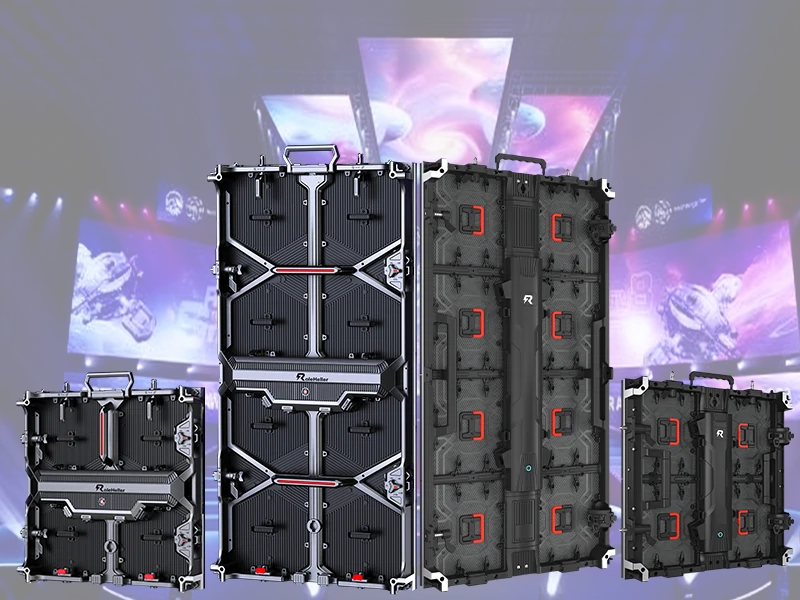
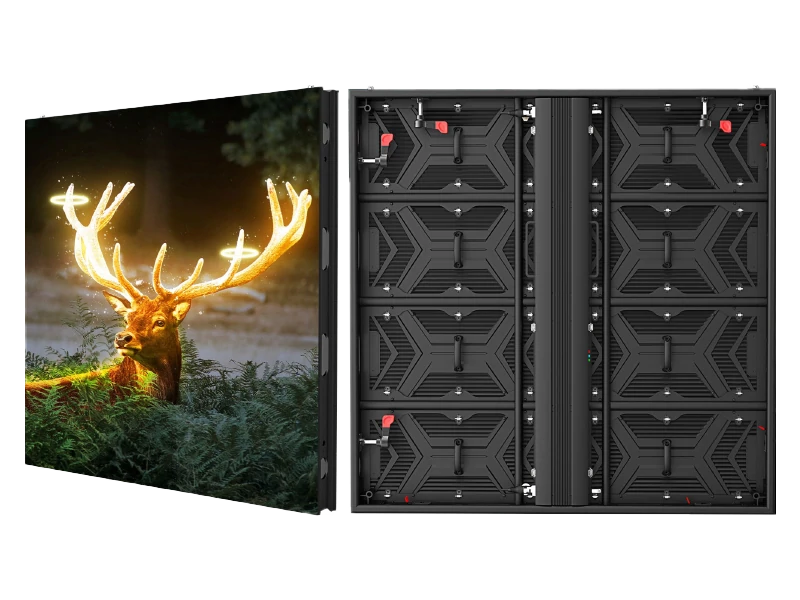
| Cabinet Size | 500×500mm or 500×1000mm | Both should be available from the same manufacturer |
| Cabinet Weight | 6.5–8.5kg | Lighter = better for rental; heavier = more rigid for fixed install |
| Refresh Rate | 1920Hz–3840Hz | 3840Hz minimum for camera-friendly content |
| Gray Scale | 14–16 bit | 16-bit delivers smoother color gradients |
| Brightness | 800–1200 cd/m² (indoor) | 1000 nits is the sweet spot for most indoor venues |
| Viewing Angle | 140°–160° (H/V) | Wider is better for audience coverage |
This is where experienced buyers separate themselves from first-timers. The cabinet material tells you a lot about build quality:
Die-cast aluminum is the industry standard — it provides precision machining (tolerances within ±0.1mm), excellent heat dissipation, and structural rigidity
Front-maintenance design means you can swap out modules or power supplies without dismantling the entire wall — critical for rental operations where turnaround time matters
Fast-lock connection systems allow tool-free assembly between cabinets; look for systems that achieve ±0.5mm alignment accuracy
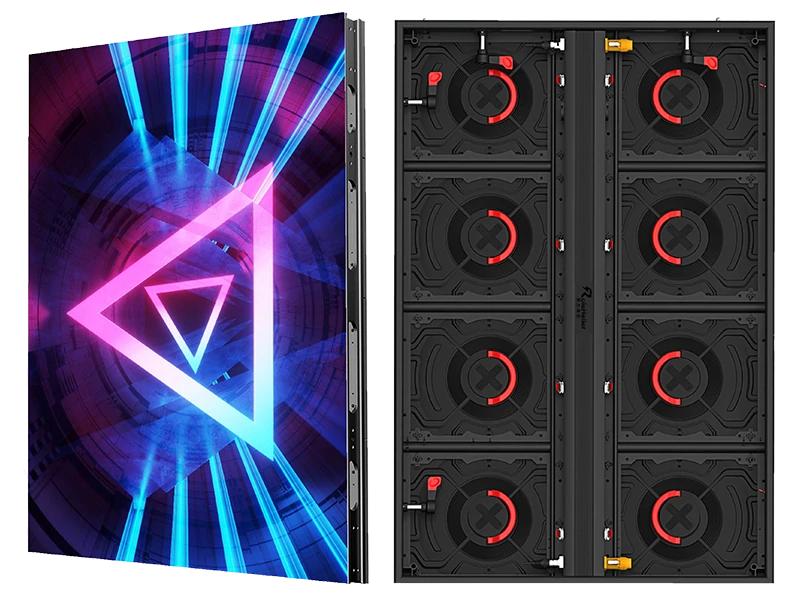
One thing I've learned from inspecting dozens of factories: ask to see the cabinet's rear cover design. Manufacturers using integrated hard-connection designs with built-in power and receiving card slots significantly reduce on-site troubleshooting time. Some advanced models even use Machseries receiving cards that allow a single network cable to drive up to 19 square meters of P2.976 panels.
Let's talk numbers, because this is where most buyers get confused — or worse, get taken advantage of.
Based on current market data, here's what P2.976 indoor LED panels cost directly from Chinese factories in 2026:
| Order Volume | Price per m² (USD) | Notes |
|---|---|---|
| 1–4 m² | $600–$800 | Small orders carry premium pricing |
| 5–9 m² | $500–$650 | Standard project volume |
| 10–49 m² | $420–$550 | Mid-scale installations |
| 50–99 m² | $380–$480 | Large-scale or multi-project orders |
| 100+ m² | $320–$420 | Enterprise/wholesale tier |
Important context: These prices cover the LED panels (cabinets with modules, power supplies, and receiving cards pre-installed). They do NOT include video processors, mounting structures, cabling, or installation labor. A fully deployed system typically costs 30%–60% more than the panel-only price.
Here's my honest take: if a supplier quotes you below $300/m² for P2.976 indoor panels, be extremely cautious. That price point usually means they're cutting corners on LED chips (using recycled or lower-bin LEDs), skipping quality control, or the "factory" is actually a trading company adding margins on top of an already thin-margin product.
| Pixel Pitch | Price Range (USD/m²) | Best Viewing Distance | Typical Use Case |
|---|---|---|---|
| P2.6 | $700–$1,000 | 2.5m+ | Premium events, close-viewing conference |
| P2.976 | $380–$800 | 3m+ | General indoor events, fixed install |
| P3.91 | $300–$550 | 4m+ | Large venues, budget-conscious projects |
The P2.976 sits in that Goldilocks zone — roughly 20–30% cheaper than P2.6 while delivering noticeably better image quality than P3.91 at typical indoor viewing distances.
This section alone could save you tens of thousands of dollars. The LED display industry in Shenzhen has an estimated 500+ manufacturers, but the gap between a genuine factory and a front-office trading company is wider than most international buyers realize.
Step 1: Confirm Manufacturing Capability
Request a live video factory tour (not pre-recorded)
Ask for their SMT (Surface Mount Technology) line specifications — genuine manufacturers own or have dedicated access to high-speed SMT placement machines
Verify their monthly production capacity — a real factory producing P2.976 panels should output at least 3,000–5,000 m²/month
Step 2: Check Certifications
CE, RoHS, FCC are non-negotiable for any export-grade product
ISO 9001 quality management certification
ETL/UL certification if you're deploying in North America
Ask for the actual certificate numbers and verify them on the issuing body's database — I've seen fabricated certificates more times than I'd like
Step 3: Evaluate Their Track Record
Request 3–5 project references in your region or application type
Check if they've supplied to recognizable brands or venues
Look for evidence of after-sales infrastructure — do they stock spare parts? Do they offer remote technical support across time zones?
Step 4: Sample Evaluation
Never place a bulk order without testing a sample panel first. When evaluating a P2.976 sample, check:
Color uniformity across the panel (look for visible brightness gradients)
Dead pixel count — industry standard is ≤5 PPM (parts per million)
Seam alignment when connecting two cabinets — gaps should be imperceptible
Refresh rate test — film the panel with your phone camera; visible scan lines mean the refresh rate is below spec
Prices significantly below market average (more than 25% cheaper than competitors)
Inability to provide factory photos with today's date
Vague answers about LED chip brand (Nationstar, Kinglight, and Epistar are reputable)
No mention of aging tests (reputable factories age-test panels for 48–72 hours before shipping)
Payment terms requiring 100% upfront via wire transfer with no trade assurance
Understanding where P2.976 excels helps you confirm it's the right choice for your project:
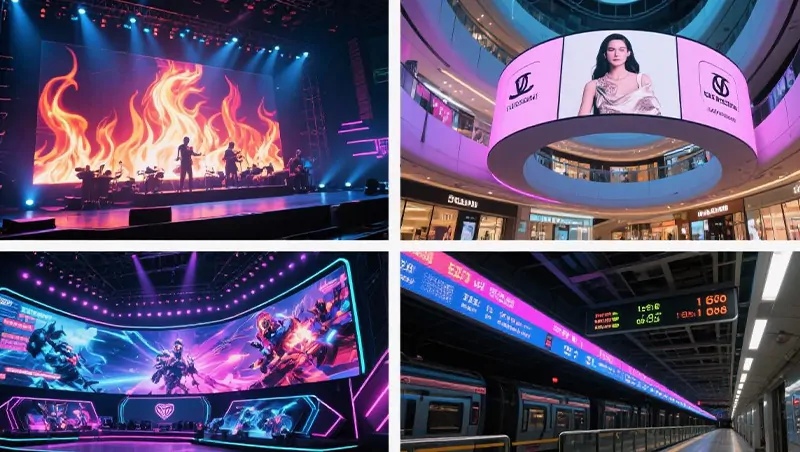
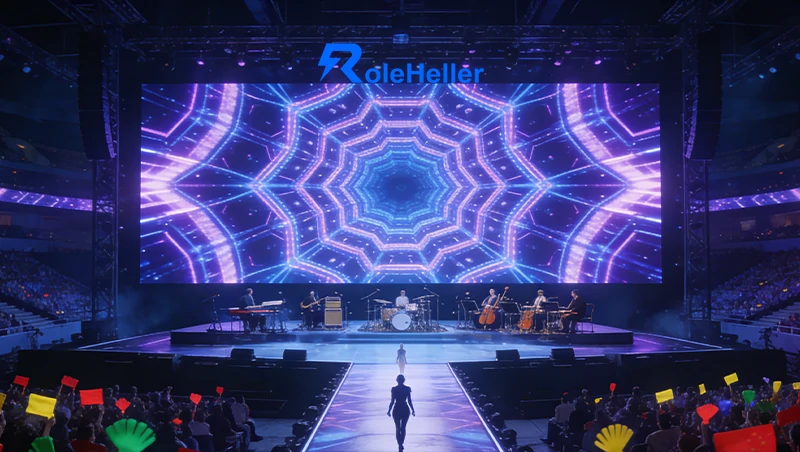
This is the #1 application. Concerts, corporate events, weddings, and conferences all benefit from P2.976's combination of visual quality and rapid assembly. The 500×500mm cabinet format means a 4m×3m wall can be assembled by two technicians in under 45 minutes.
For rooms where the closest viewer sits 3+ meters from the display, P2.976 delivers crisp presentations, video conferencing, and data visualization without the premium cost of sub-P2 products.
Hotels, shopping malls, and brand flagship stores use P2.976 video walls for immersive brand experiences. The seamless splicing capability allows for creative configurations — curved walls, columns, and multi-sided installations.
Churches and religious venues increasingly replace projection systems with LED video walls. P2.976 provides excellent readability of lyrics, scriptures, and live camera feeds at typical congregation viewing distances.
While mission-critical control rooms sometimes require smaller pixel pitches (P1.5–P2.0), many monitoring environments with 3+ meter viewing distances find P2.976 perfectly adequate at a fraction of the cost.
Fixed Installation:
Wall-mounted using a steel frame structure (budget $15–$25/m² for the frame)
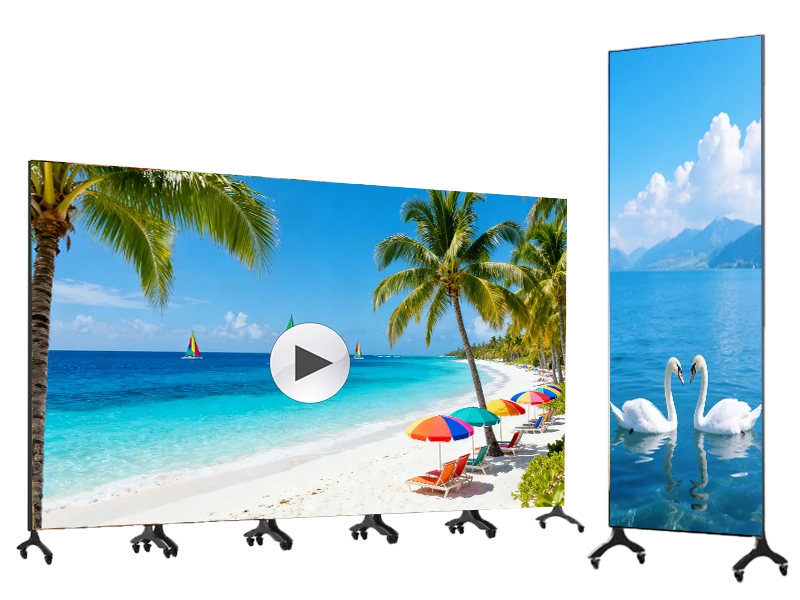
Floor-standing with a base structure for freestanding walls
Ceiling-hung for suspended configurations (requires structural engineering assessment)
Rental/Temporary Setup:
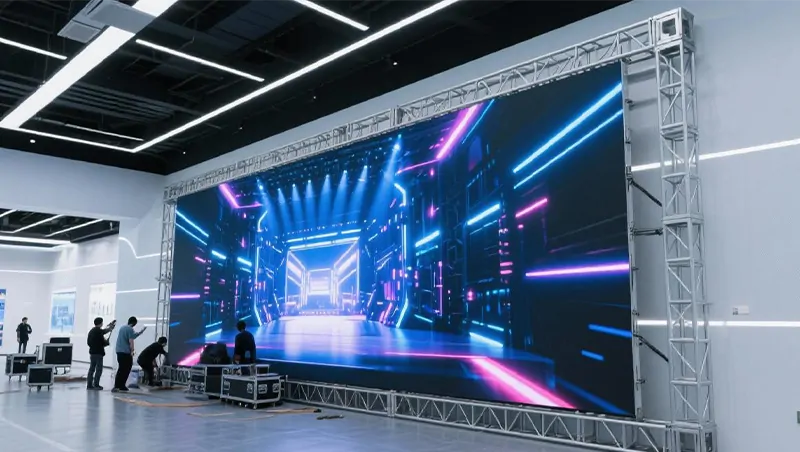
Use the manufacturer's flight cases as transport and staging platforms
Connect cabinets using integrated fast-lock mechanisms — no tools required
Run power and signal cables through the cabinet's internal routing channels
Here's something I wish more buyers understood upfront: front-maintenance P2.976 panels let you pop out individual modules from the front using a simple suction cup tool. This means you don't need rear access space, which saves significant installation depth — often the difference between a 150mm-deep wall and a 600mm-deep structure.
Average lifespan for quality P2.976 panels is 50,000–100,000 hours (roughly 6–11 years of 24/7 operation). The most common maintenance items over the product lifecycle are:
Power supply replacement (every 3–5 years)
Receiving card replacement (rare, but possible)
Individual LED module swap (if dead pixel clusters develop)
Most P2.976 LED video wall manufacturers ship via:
Sea freight (FCL/LCL): 25–35 days to US West Coast, 30–40 days to Europe
Air freight: 5–7 days, but costs 4–6× more than sea freight
Panels are packed in flight cases (for rental) or carton boxes with foam protection (for fixed install)
A standard 20ft container holds approximately 40–50 m² of P2.976 panels in flight cases, or up to 80 m² in cartons. Factor in import duties (typically 0–5% for LED displays in most markets, but verify with your customs broker) and local delivery costs.
After working with LED display supply chains for years, here's what I'd tell any buyer searching for China P2.976 indoor LED video wall manufacturers: narrow your shortlist to 3–5 factories that meet the certification and production capability criteria above, order samples from each, and compare them side by side in your actual lighting environment. The difference between a $400/m² panel and a $600/m² panel becomes immediately obvious when you're standing 3 meters away looking at detailed video content. Don't let price be the only deciding factor — but don't overpay for brand names when mid-tier factories deliver identical panel quality with better service flexibility.
Hopefully this guide gives you a solid foundation for your procurement process. If you've sourced P2.976 panels from China before, I'd love to hear about your experience — drop your thoughts in the comments.
The comfortable viewing distance for P2.976 is approximately 3 meters (10 feet) and beyond. Using the industry formula (pixel pitch in mm × 10 = viewing distance in feet), P2.976 translates to roughly 10 feet as the minimum comfortable distance.
Standard P2.976 indoor panels have an IP43 rating and brightness of 800–1200 nits, which is insufficient for outdoor use. Outdoor P2.976 variants exist with IP65 rating and 5000+ nits brightness, but they use different LED packages (SMD1415) and are built for weather resistance.
Standard production lead time is 15–20 working days for orders under 50 m², and 25–30 working days for larger orders. Some manufacturers keep popular configurations in stock and can ship within 7 days.
Divide the wall's width in millimeters by 2.976 for horizontal pixels, and the height in millimeters by 2.976 for vertical pixels. For example, a 4000mm × 2250mm wall yields approximately 1344 × 756 pixels.
P2.976 panels work with all major LED control systems including Novastar, Colorlight, Linsn, and Brompton. The receiving cards are typically pre-installed in the cabinets.
Average power consumption is approximately 250–350W/m², with maximum consumption reaching 600–800W/m² when displaying full-white content. Plan your electrical infrastructure accordingly.
Yes, most P2.976 manufacturers design their cabinets to be intercompatible. The 500×1000mm cabinet is essentially two 500×500mm cabinets in a single housing, which speeds up large installations.
Industry standard is 2 years warranty covering manufacturing defects. Some premium manufacturers offer 3-year warranties. Ensure the warranty covers LED chips, driver ICs, power supplies, and PCB boards.
Yes, provided the refresh rate is 3840Hz or higher. At 3840Hz, the panel will not show scan lines or flicker when captured by professional video cameras operating at standard frame rates (24/30/60fps).
SMD2020 uses smaller LED chips (2.0mm × 2.0mm), providing higher contrast ratios and better black levels. SMD2121 (2.1mm × 2.1mm) is slightly larger and more cost-effective, making it the more common choice. Both deliver excellent image quality at the P2.976 pixel pitch.